Welcome to the ultimate guide to creating the most incredible Burnt Basque Cheesecake right in your own kitchen. Forget everything you know about traditional cheesecake. This crustless wonder, with its deeply caramelized, “burnt” top and unbelievably creamy, custard-like center, is a game-changer. It breaks all the rules in the best way possible, delivering a rustic yet elegant dessert that’s shockingly easy to make. This recipe is designed to be foolproof, guiding you to a perfect result every single time.
Originating from the Basque region of Spain, this dessert is famous for its unique texture and rich, complex flavor. If you’ve been searching for a show-stopping dessert that requires minimal effort and simple ingredients, you’ve found it. Let’s bake this masterpiece together.
What is a Burnt Basque Cheesecake?
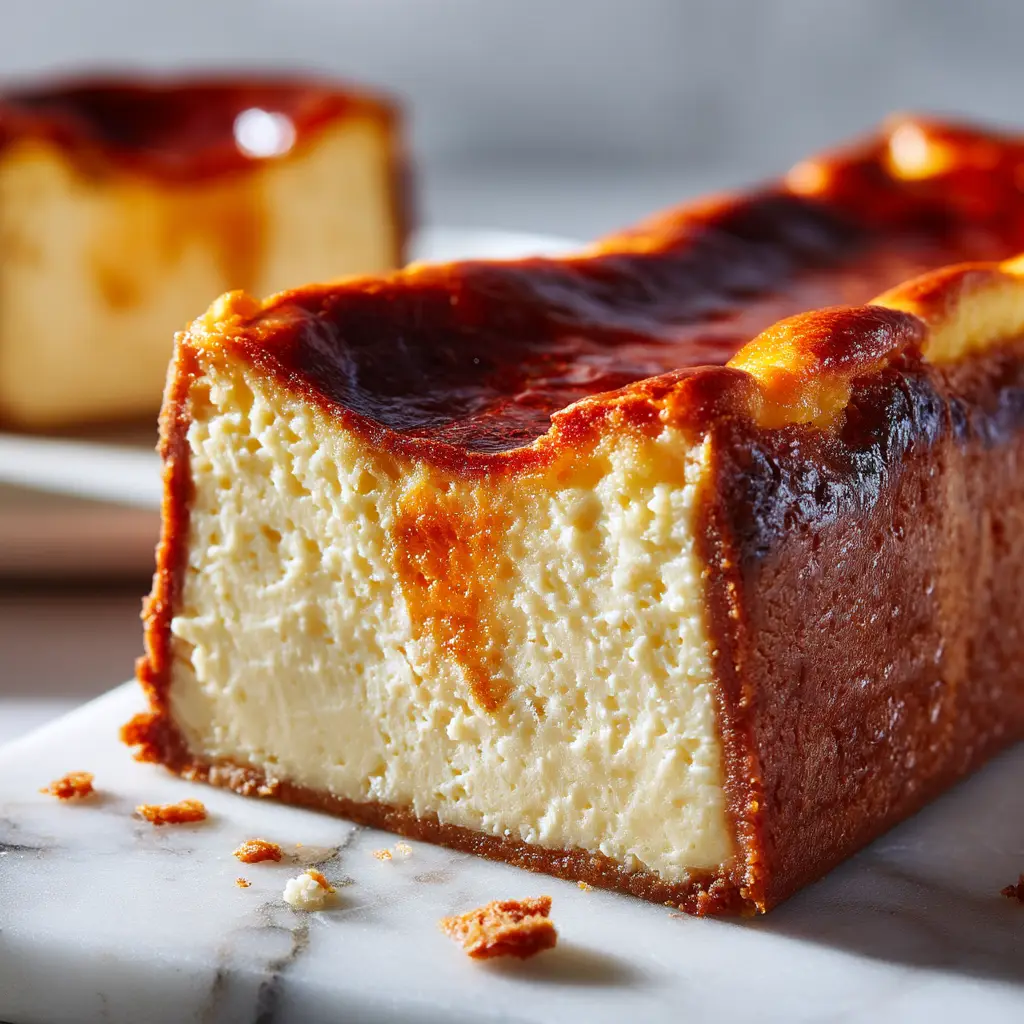
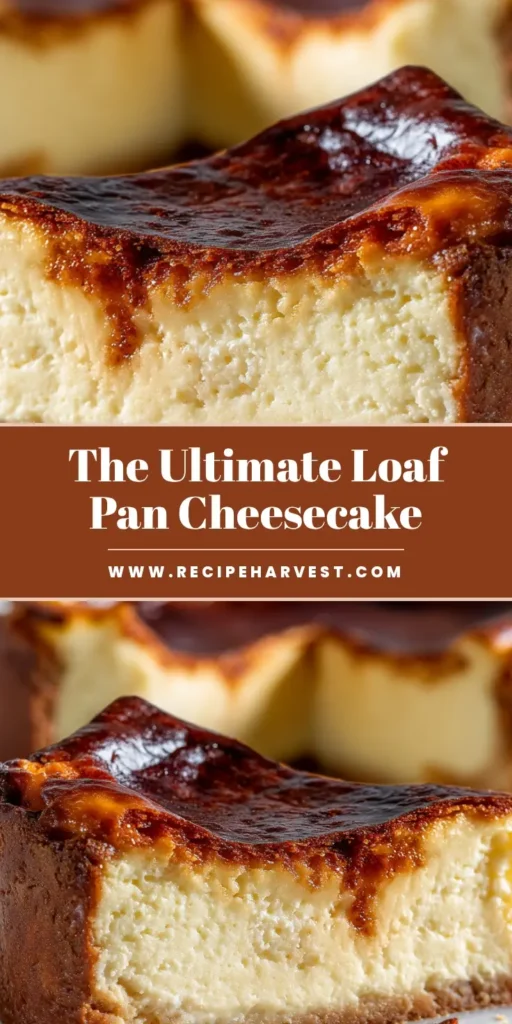
A Burnt Basque Cheesecake is the antithesis of a classic New York cheesecake. It has no crust, a rich, dark, caramelized top, and a deliberately rustic appearance with cracked edges. It’s baked at a very high temperature, which creates the signature “burnt” exterior while leaving the inside soft, gooey, and custardy. This unique baking method creates a beautiful contrast between the slightly bitter, caramelized notes of the top and the sweet, tangy, creamy interior.
Why You’ll Love This Recipe
- Incredibly Easy: With just a handful of ingredients and a simple mixing process, this is one of the easiest cheesecake recipes you’ll ever make.
- No Crust Needed: The beauty of this dessert is its crustless nature, which means less prep time and a focus on the pure, unadulterated flavor of the cheesecake.
- Stunningly Rustic: There’s no need to worry about a water bath or cracks. In fact, cracks and imperfections are part of its charm!
- Complex Flavor: The high-heat baking process creates deep caramel and toffee notes that you just can’t get with a traditional cheesecake. For another unique dessert, try these amazing Boston Cream Pie Cookies.
The Secret to the “Burnt” Top
The magic of a Burnt Basque Cheesecake lies in the high-temperature baking. We bake this cheesecake at 400°F (200°C), which is much hotter than typical cheesecake recipes. This intense heat causes the sugars in the batter to caramelize deeply, a process known as the Maillard reaction. This doesn’t actually burn the cheesecake in a bad way; instead, it creates a rich, complex, and slightly bitter crust that perfectly balances the sweet and creamy filling. It’s a bold technique that yields an unforgettable flavor.
Essential Ingredients
The beauty of this recipe is its simplicity. Here’s what you’ll need:
- Cream Cheese: Full-fat, block-style cream cheese is essential. Make sure it’s at room temperature for a smooth, lump-free batter.
- Granulated Sugar: Provides the perfect amount of sweetness to balance the tang of the cream cheese.
- Large Eggs: Use room temperature eggs to ensure they incorporate easily into the batter.
- Heavy Cream: Adds richness and contributes to the silky, custard-like texture.
- All-Purpose Flour: Just a small amount is needed to give the cheesecake structure. For a gluten-free option, you can substitute a 1:1 gluten-free baking flour. If you’re looking for another gluten-free recipe, this gluten-free focaccia is a must-try.
- Vanilla Extract: Enhances the other flavors in the cheesecake.
- Salt: A pinch of salt balances the sweetness and brings out the tangy flavor of the cream cheese.
Step-by-Step Instructions
- Prepare Your Pan: Preheat your oven to 400°F (200°C). Grease a 9-inch springform pan, then line it with two overlapping pieces of parchment paper, pressing it into the pan and leaving an overhang of at least 2 inches. The overhang helps you lift the cheesecake out easily and creates the signature rustic edges.
- Mix the Batter: In a large bowl, use a stand mixer or hand mixer to beat the room temperature cream cheese and sugar together until smooth and creamy. Scrape down the sides of the bowl.
- Add the Eggs: Add the eggs one at a time, beating well after each addition until fully incorporated.
- Combine Wet and Dry: In a separate bowl, whisk together the heavy cream, vanilla extract, and salt. In another small bowl, sift the flour. Gradually add the cream mixture to the cream cheese batter, mixing on low speed until just combined. Then, add the sifted flour and mix until the batter is smooth. Do not overmix.
- Bake the Cheesecake: Pour the batter into your prepared pan. Bake for 50-60 minutes. The top will be a very dark brown, the edges will be set, but the center will still have a significant jiggle. This is key to the creamy texture.
- Cool Completely: Let the cheesecake cool completely in the pan on a wire rack. It will deflate as it cools—this is normal! Once at room temperature, you can chill it in the refrigerator for at least 4 hours or overnight before serving.
Pro Tips for a Perfect Cheesecake
- Room Temperature is Key: For the smoothest, most homogenous batter, ensure your cream cheese and eggs are at true room temperature. This prevents lumps.
- Don’t Be Afraid of the Dark: Trust the process! The top should be a deep, dark brown. This is where all the unique flavor comes from. It’s not burnt, it’s caramelized.
- Embrace the Jiggle: The center should be very wobbly when you take it out of the oven. It will set up as it cools, resulting in that perfect creamy interior.
- Parchment Paper is Your Friend: Use two large, overlapping sheets of parchment paper and don’t worry about making it perfect. The rustic, crinkled edges are part of the cheesecake’s signature look. For another impressive but easy recipe, check out these French Dip Tortilla Roll-Ups.
FAQs
Yes, this recipe is very easy to adapt for a gluten-free diet. Simply substitute the small amount of all-purpose flour with a cup-for-cup (1:1) gluten-free all-purpose baking blend.
The cheesecake is done when the top is a very dark brown, the edges are set and slightly puffed, but the center still has a significant jiggle or wobble when you gently shake the pan. Do not wait for the center to be firm.
Yes, absolutely! Unlike traditional cheesecakes, cracks are a desirable, rustic feature. The cheesecake will also puff up significantly in the oven and then sink in the middle as it cools. This is completely normal and part of its charm.
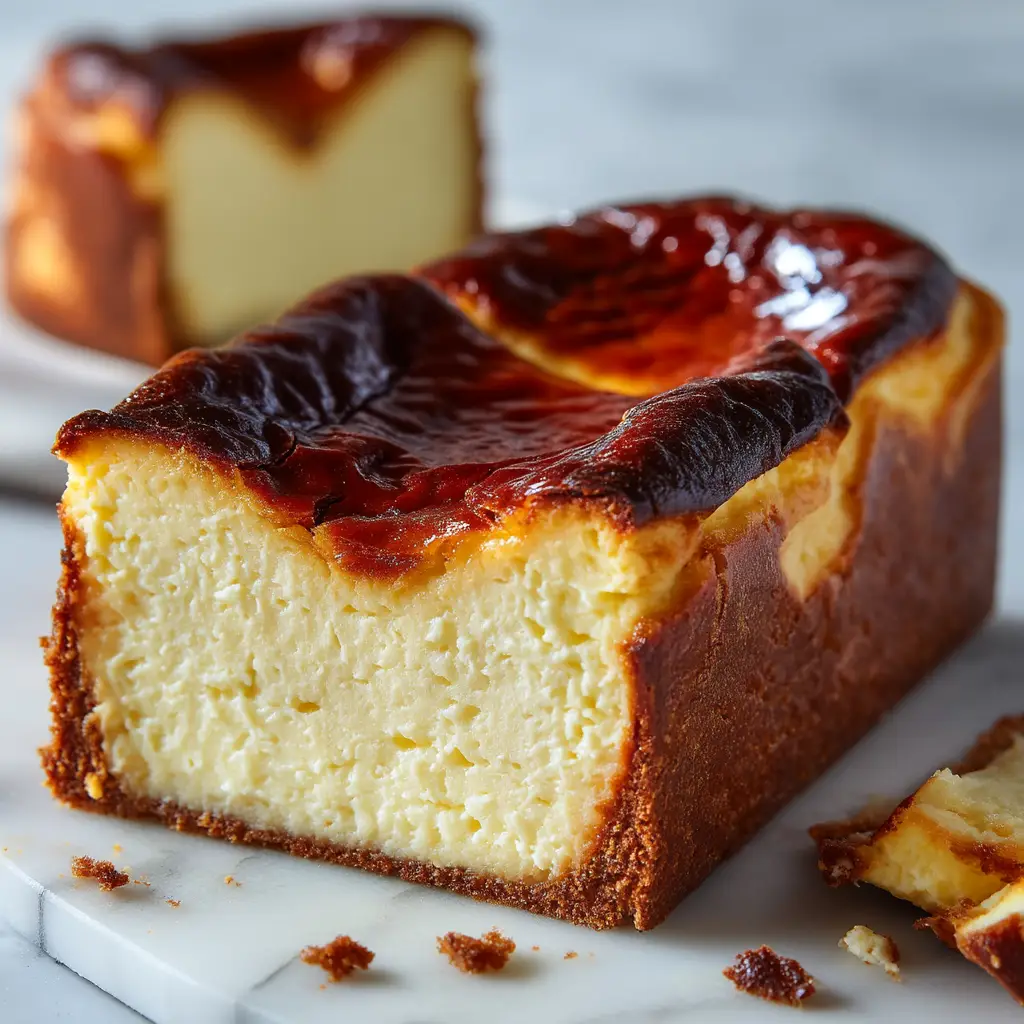
The texture should be a beautiful contrast. The outer layer and top are firm and deeply caramelized, while the inside is incredibly creamy, smooth, and custardy, almost like a flan. It should not be dense like a New York-style cheesecake.
This is usually because the oven temperature was too low or the cheesecake was placed on too low a rack. This recipe requires a high heat of 400°F (200°C) to achieve the signature caramelized top. Ensure your oven is fully preheated and place the rack in the center.
Share Your Masterpiece!
Creating this Burnt Basque Cheesecake is a rewarding experience, and the result is a truly special dessert. Its rustic charm and incredible flavor will impress everyone. If you make this recipe and love it, please leave a comment below and share your creation on Pinterest!
Burnt Basque Cheesecake Recipe
Burnt Basque Cheesecake: The Ultimate Foolproof Recipe
Ingredients
Equipment
Method
- Preheat oven to 400°F (200°C). Grease a 9-inch springform pan and line with two overlapping sheets of parchment paper, ensuring there is a 2-inch overhang.
- In a large bowl with a stand mixer or hand mixer, beat the room temperature cream cheese and sugar on medium speed until completely smooth and no lumps remain.
- Add the eggs one at a time, mixing well on low speed after each addition. Scrape down the sides of the bowl as needed.
- Slowly stream in the heavy cream, vanilla extract, and salt, mixing on low until just combined. Add the sifted flour and mix until the batter is smooth, being careful not to overmix.
- Pour the batter into the prepared pan. Bake for 50-60 minutes, until the top is dark brown and the center is still very jiggly.
- Let the cheesecake cool completely on a wire rack to room temperature. The cheesecake will sink in the middle as it cools. Chill in the refrigerator for at least 4 hours or overnight before slicing and serving.
Notes
The Jiggle is Key: Don't be tempted to overbake. The cheesecake is ready when the center has a pronounced wobble. It will set perfectly as it cools.
Serving: This cheesecake is best served at room temperature or slightly chilled. Let it sit out for about 30 minutes before serving if it has been refrigerated overnight.