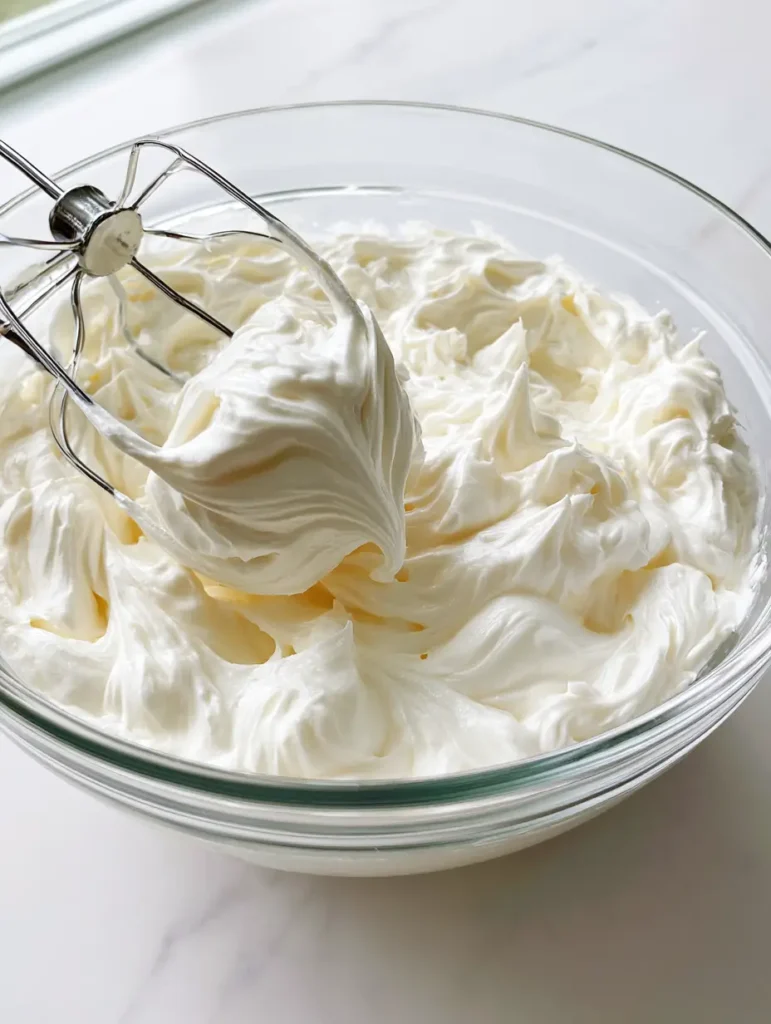
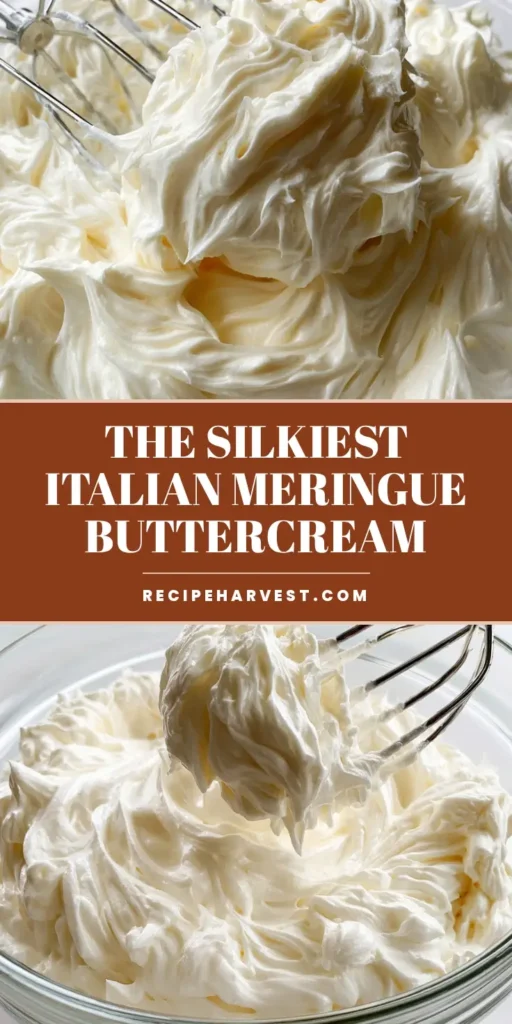
Italian Meringue Buttercream is widely considered the gold standard of cake finishes by professional pastry chefs across the globe. Unlike its American counterpart, which relies on heavy amounts of powdered sugar for stability, this sophisticated frosting achieves its structure through a stable meringue base and emulsified fats. When you look into a clear glass bowl filled with this thick, glossy white Italian meringue buttercream, you aren’t just looking at frosting; you are looking at a culinary masterpiece of temperature control and aeration.
This recipe results in a velvety, marshmallow-like texture that holds stiff, smooth peaks even in warmer temperatures. If you have been searching for a frosting that isn’t cloyingly sweet but offers a rich, buttery mouthfeel, this is the definitive guide. We will walk through the exact science of boiling sugar syrup and whipping egg whites to create a stable, professional-grade finish for your most precious desserts, like a decadent Cherry Amaretto Tiramisu.
Why This Professional Frosting Technique Wins Every Time
- Unmatched Stability: Because the egg whites are cooked by a boiling sugar syrup, the structure is far more stable than Swiss meringue.
- Glossy, Silky Finish: The final product features a stiff, velvety peak that catches the light, making it the most photogenic frosting for Pinterest-worthy cakes.
- Balanced Sweetness: It tastes like rich vanilla clouds rather than a sugar bomb, allowing the flavor of your cake to shine.
- Piping Perfection: It holds intricate details from piping tips without melting or crusting prematurely.
Creating this frosting requires a bit of patience and a stainless steel whisk, but the results are vastly superior to the quick-fix buttercreams found in many home kitchens. While we love a savory Cowboy Butter Recipe for steaks, when it comes to cake, Italian meringue is the only way to go.
The Essential Ingredients for Italian Meringue Buttercream
Every ingredient in this recipe serves a technical purpose. To achieve that glossy stiff peak seen in professional bakeries, you must use high-quality components.
- Granulated Sugar: 1 & 1/2 cups (300g). This is boiled with water to create the syrup that cooks the egg whites.
- Water: 1/3 cup (80ml). Just enough to dissolve the sugar and reach the “soft ball” stage.
- Large Egg Whites: 5 large (approx. 150g). Ensure these are at room temperature for maximum volume in your clear glass bowl.
- Unsalted Butter: 2 cups (454g). Must be softened but still slightly cool to the touch to emulsify correctly.
- Vanilla Bean Paste: 2 teaspoons (10ml). This provides those beautiful black specks and a deep, authentic flavor.
- Cream of Tartar: 1/4 teaspoon (1g). An acid that helps stabilize the egg white proteins.
- Fine Sea Salt: A pinch. To balance the richness of the butter.
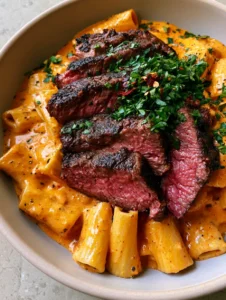
If you enjoy the balance of sweet and salty, you might find this frosting pairs beautifully as a topping for a deconstructed Peach Cobbler or a sophisticated layer cake.
Step-by-Step: Mastering the Meringue Method
Step 1: Preparing the Sugar Syrup
In a small heavy-bottomed saucepan, combine the granulated sugar and water. Stir gently just to moisten the sugar. Place over medium-high heat. Do not stir the mixture once it begins to boil, as this can cause crystallization. Use a candy thermometer to monitor the temperature; you are aiming for exactly 240°F (115°C), also known as the soft-ball stage.
Step 2: Whipping the Egg Whites to Stiff Peaks
While the syrup is heating, place your room-temperature egg whites and cream of tartar into a clear glass bowl or the bowl of a stand mixer. Using a stainless steel whisk attachment, begin whipping on medium-low speed. As the whites become frothy, increase the speed to medium-high. You want to reach stiff peaks right as the sugar syrup reaches its target temperature.
Step 3: The Critical Pour
Once the syrup hits 240°F (115°C), immediately remove it from the heat. With the mixer running on medium speed, very slowly drizzle the hot syrup down the side of the bowl in a thin, steady stream. Avoid hitting the silver metal whisk directly, as this could splash hot sugar onto the sides of the bowl or yourself. This process “cooks” the egg whites, creating a safe and incredibly stable meringue base.
Step 4: Cooling the Meringue
Continue whipping the meringue on high speed. You will see the mixture transform into a thick, glossy white mass. Continue whipping until the outside of the bowl feels completely cool to the touch—this usually takes 10 to 15 minutes. This is a great time to plan your next meal, perhaps a refreshing Vietnamese Noodle Salad to offset the richness of the dessert you are preparing.
Step 5: Incorporating the Softened Butter
Once the meringue is cool, reduce the speed to medium. Add the softened unsalted butter one tablespoon at a time. The mixture may look curdled or soupy for a moment—do not panic! This is a normal part of the emulsification process. Continue to whip, and the Italian Meringue Buttercream will suddenly come together into a smooth, velvety consistency.
Step 6: Finishing with Vanilla Bean Paste
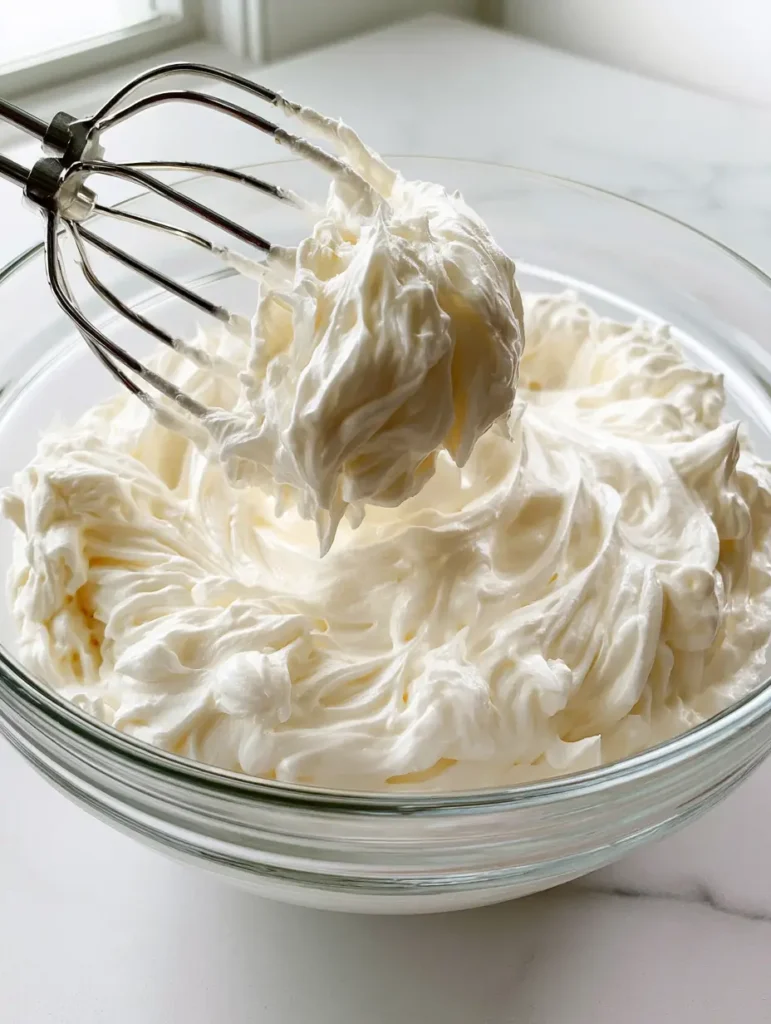
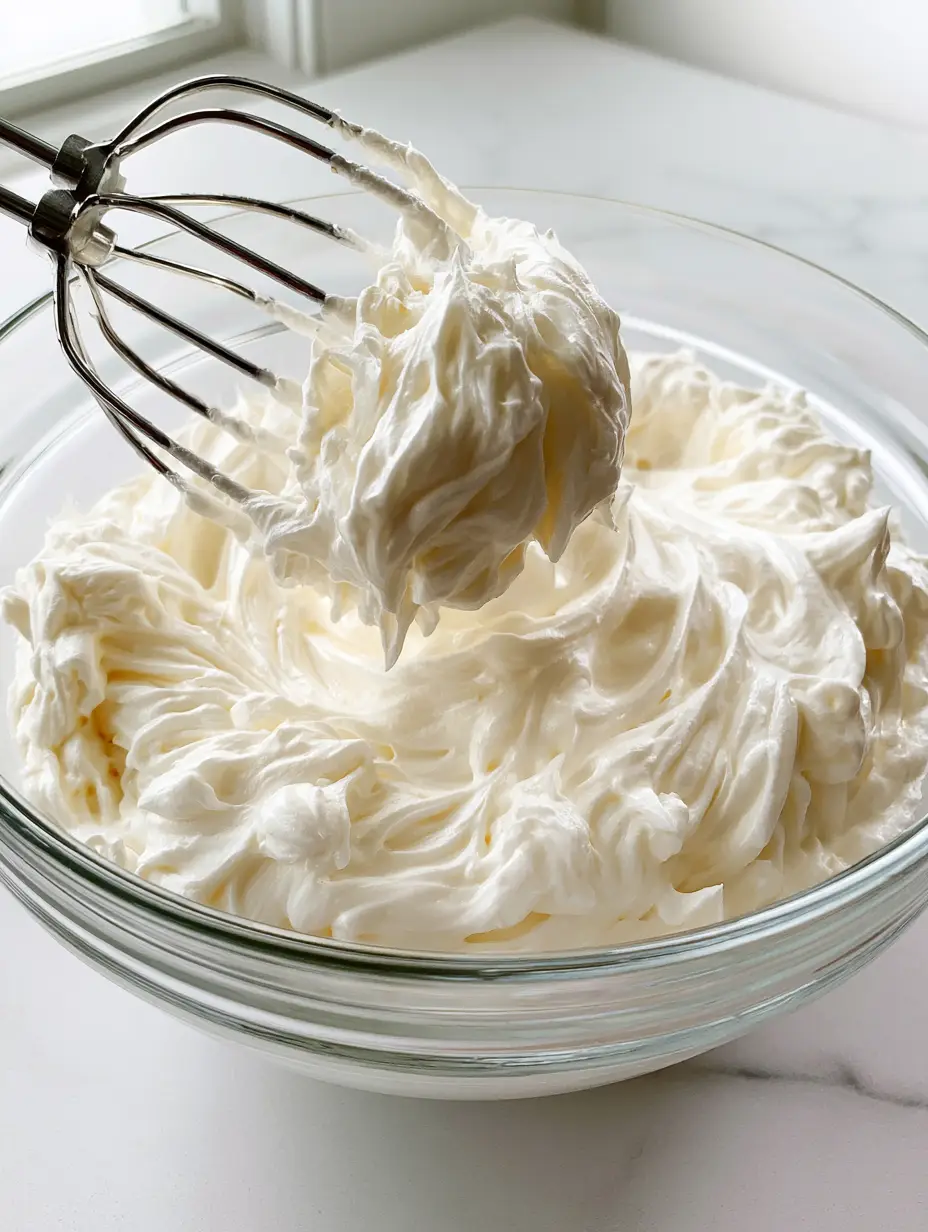
Add the vanilla bean paste and a pinch of salt. Switch to the paddle attachment and beat on low speed for 2-3 minutes to remove any large air bubbles. The final result should be a luscious dollop of buttercream clinging to the wires of your whisk, showing a light and airy yet stable texture that is ready for piping.
Expert Tips for Success
- Temperature is Everything: If the meringue is too hot when you add the butter, the butter will melt. If the bowl feels warm, keep whipping until it is cool.
- The “Curdle” Phase: If the buttercream looks broken, simply keep whipping. It almost always resolves itself with more agitation.
- Wipe the Bowl: Before starting, wipe your clear glass bowl and stainless steel whisk with a little lemon juice or vinegar to ensure they are 100% grease-free.
- Butter Texture: Your butter should be soft enough to leave an indentation with your finger, but not so soft that it is greasy or melting.
Storage, Reheating & Freezing
Italian Meringue Buttercream can be stored in an airtight container in the refrigerator for up to one week. When you are ready to use it, let it come to room temperature completely. You must re-whip it with a paddle attachment to restore its smooth, velvety peaks.
For long-term storage, this frosting freezes beautifully for up to three months. Thaw it overnight in the refrigerator and follow the same room-temperature re-whipping process. It is a fantastic “make-ahead” component for high-stress events like a 4th of July Dessert Lasagna celebration.
What to Serve With This
This buttercream is versatile enough for any cake flavor, from classic dark chocolate to zesty lemon. Because it is so stable, it is the perfect choice for tiered wedding cakes or outdoor garden parties. If you are hosting a full dinner, consider a light main course like a Greek Shrimp Mediterranean Bowl to leave plenty of room for a slice of cake topped with this decadent frosting.
Frequently Asked Questions
Yes, it is extremely stable once chilled and provides a very smooth surface, making it an excellent choice for under-fondant applications.
Curdling is a normal part of the emulsification process. Keep whipping on medium-high speed for several minutes, and the mixture will eventually smooth out into a velvety texture.
Yes, because the boiling sugar syrup reaches 240°F (115°C), it effectively pasteurizes the egg whites as it is poured into the mixture.
Swiss meringue involves whisking egg whites and sugar over a double boiler, while Italian meringue uses a boiling sugar syrup poured into whipped whites. Italian is generally considered more stable and glossy.
If the buttercream is soupy, your meringue was likely still too warm when the butter was added, causing it to melt. Simply place the bowl in the fridge for 15-20 minutes, then re-whip until it comes together.
The Complete Italian Meringue Buttercream Recipe
Italian Meringue Buttercream: The Ultimate Silky Professional Frosting
Ingredients
Equipment
Method
- Combine sugar and water in a saucepan. Heat without stirring until it reaches 240°F (115°C).
- While sugar heats, whip egg whites and cream of tartar in a clear glass bowl to stiff peaks.
- Slowly drizzle hot syrup into the whipping egg whites. Whip on high until the bowl is cool to the touch.
- Add softened butter one tablespoon at a time on medium speed until smooth and velvety.
- Fold in vanilla bean paste and salt; beat on low to remove air bubbles.
Notes
If the buttercream looks curdled, keep whipping; it will come together.
Save This Recipe to Pinterest!
If you love this professional Italian Meringue Buttercream, make sure to save it to your Desserts or Baking Tips board on Pinterest! Following RecipeHarvest ensures you never miss a kitchen-tested guide. If you make this frosting, please leave a 5-star rating in the recipe card above and share a photo of your glossy stiff peaks in the comments below. We love seeing your creations!