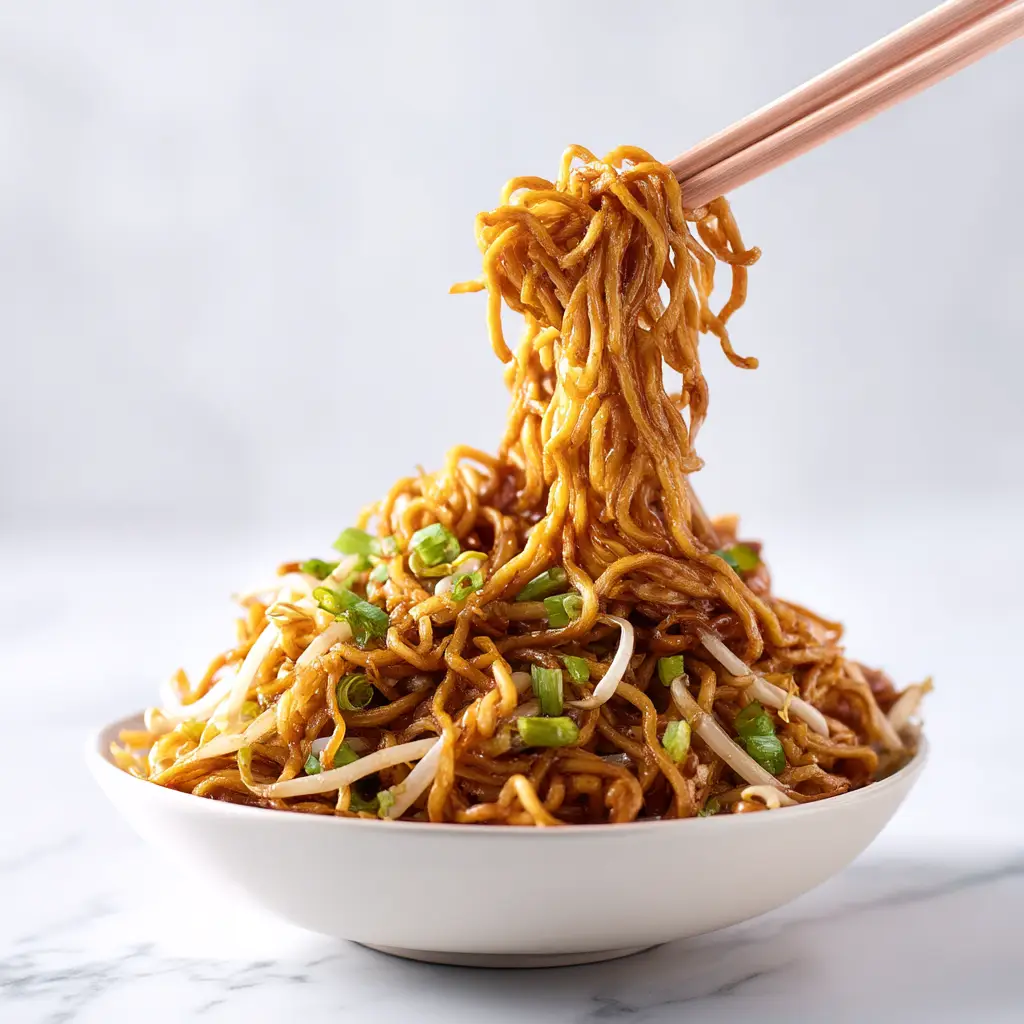
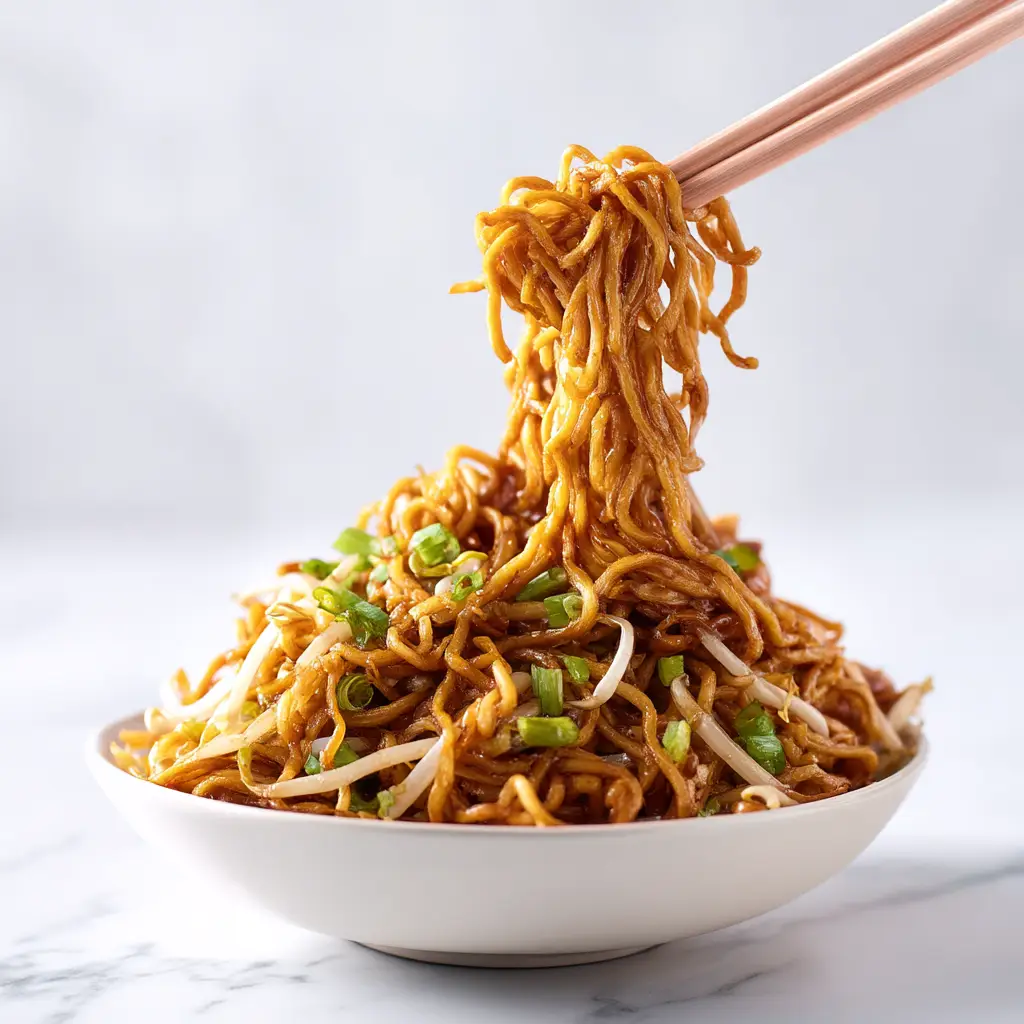
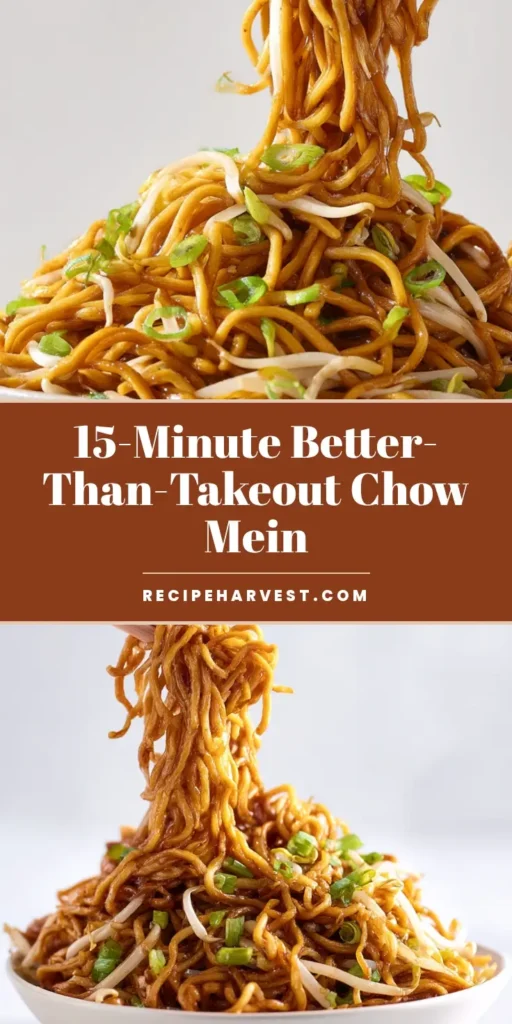
There’s an undeniable magic to a perfect bowl of chow mein. It’s that exquisite moment when you lift a tangle of glistening, savory noodles, perfectly coated in a rich brown sauce, studded with crisp bean sprouts and fresh green onions. This isn’t just another noodle dish; it’s a textural masterpiece, and this chow mein recipe is designed to help you recreate that exact photorealistic, studio-quality experience right in your own kitchen.
Forget the disappointing, lackluster takeout. We are diving deep into the techniques that transform simple ingredients into a dish that looks and tastes like it came from a high-end restaurant. Get ready to master the art of the stir-fry and create a truly memorable meal.
Why This Will Be Your Go-To Noodle Recipe
This chow mein recipe is engineered for perfection, focusing on the sensory details that make a dish truly special. Here’s what sets it apart:
- The Perfect Glisten: We’ll show you how to create a savory brown sauce with the perfect consistency that clings to every single noodle, giving it that irresistible, glossy sheen you see in professional food photography.
- A Symphony of Textures: From the satisfying chew of the noodles to the fresh, snappy crunch of bean sprouts, every bite is a delightful contrast.
- Aromatic & Flavorful: We build layers of flavor with foundational aromatics and a perfectly balanced sauce that is deeply savory with a hint of sweetness.
- Ready in Under 30 Minutes: This entire flavor-packed meal comes together faster than you can order delivery, making it the ultimate weeknight hero.
The Building Blocks of a Perfect Chow Mein
Achieving that iconic “glistening” look and savory flavor profile is all about using the right components. Each ingredient plays a critical role in the final dish.
For the Savory Brown Sauce
- Low-Sodium Soy Sauce: 3 tbsp (45ml) – This is the backbone of our sauce, providing the primary salty and umami flavors. Using low sodium gives you more control over the final saltiness.
- Oyster Sauce: 1 tbsp (15ml) – This is the secret to a deep, complex, and slightly sweet umami flavor. It also contributes to the sauce’s rich brown color and consistency.
- Toasted Sesame Oil: 1 tsp (5ml) – A little goes a long way! This adds a beautiful, nutty aroma and flavor that is characteristic of many Asian dishes.
- Brown Sugar: 1 tsp (4g) – Just a touch of sweetness is needed to balance the salty and savory notes from the soy and oyster sauces.
- Cornstarch: 1 tsp (3g) – This is the key to creating a glistening sauce that thickens beautifully and coats the noodles perfectly, rather than pooling at the bottom of the bowl.
- Water: 2 tbsp (30ml) – Used to create a slurry with the cornstarch, ensuring it mixes smoothly into the sauce without lumps.
For the Stir-Fry
- Chow Mein Noodles: 8 oz (225g) – These are par-boiled wheat noodles, often found fresh or dried. Their texture is perfect for stir-frying, allowing them to absorb the sauce while maintaining a pleasant chew.
- Avocado or Canola Oil: 2 tbsp (30ml) – A high-smoke-point neutral oil is essential for stir-frying at high heat without burning.
- Garlic: 2 cloves, minced – Provides a foundational aromatic flavor that infuses the entire dish.
- Ginger: 1 tsp, freshly grated – Adds a warm, zesty spice that cuts through the richness of the sauce.
- Bean Sprouts: 1 cup (100g) – These must be added at the very end of cooking to maintain their signature crisp, juicy texture.
- Green Onions: 3 stalks, chopped – The fresh, sharp bite of green onions, added as a garnish, provides a burst of freshness and color.
Essential Tools for Stir-Fry Success
You don’t need a professional kitchen, but a few key tools will make this chow mein recipe much easier to execute perfectly.
- Wok or Large Skillet: A wok is ideal due to its high, sloping sides, which allow for easy tossing and even heat distribution. A large, heavy-bottomed skillet is the next best thing.
- Small Bowl or Whisk: For mixing the sauce ingredients together smoothly.
- Tongs or Chopsticks: Essential for tossing the noodles in the wok to ensure every strand is coated in the savory sauce. The provided photo shows beautiful light pink chopsticks for serving!
- Cutting Board & Sharp Knife: For prepping your garlic, ginger, and green onions.
The Art of the Perfect Noodle Stir-Fry: A Step-by-Step Guide
Follow these steps closely, paying attention to the sensory cues. A great stir-fry is a fast process, so have all your ingredients prepped and ready to go before you even turn on the stove.
Step 1: Prepare the Noodles and Sauce
First, bring a pot of water to a rolling boil. Cook the chow mein noodles according to the package directions, usually for just a few minutes until they are al dente (firm to the bite). Drain them immediately and rinse with cold water to stop the cooking process. In a separate small bowl, whisk together all the sauce ingredients: low-sodium soy sauce, oyster sauce, toasted sesame oil, brown sugar, cornstarch, and water. Set both aside.
Step 2: Awaken the Aromatics
Place your wok or large skillet over high heat and add the oil. Let it get very hot. You’ll know it’s ready when the oil shimmers slightly. Add the minced garlic and grated ginger. Stir-fry for just 30 seconds until they become incredibly fragrant. Don’t let them burn!
Step 3: Fry the Noodles
Add the drained noodles to the hot wok. Toss them in the aromatic oil for 1-2 minutes, allowing them to heat through and get lightly crisped in some spots. This step is crucial for developing texture.
Step 4: Sauce and Finish
Give your sauce mixture a final quick stir and pour it all over the noodles. Using tongs, toss everything together constantly for about 1-2 minutes. You’ll see the sauce bubble and thicken almost instantly, coating every noodle in a beautiful, glistening layer. In the last 30 seconds of cooking, toss in the fresh bean sprouts. You want to just warm them through so they retain their signature crunch. Remove from heat, garnish generously with chopped green onions, and serve immediately.
Pro Tips for a Flawless Chow Mein Recipe
- Don’t Overcook the Noodles: The initial boil should leave the noodles slightly undercooked. They will finish cooking in the wok, and this two-step process prevents them from becoming mushy.
- High Heat is Your Friend: The key to a great stir-fry is incredibly high heat. This cooks everything quickly, preventing vegetables from getting soggy and helping the sauce thicken properly.
- Prep Everything First (Mise en Place): The cooking process is very fast. Have your sauce mixed, noodles cooked, and vegetables chopped and within arm’s reach before you start.
- Customize with Protein: Feel free to add thinly sliced chicken, beef, shrimp, or tofu. Sauté the protein after the aromatics and before adding the noodles, ensuring it’s cooked through.
Storing, Reheating, and Enjoying Later
While this chow mein recipe is best enjoyed fresh from the wok, leftovers are still delicious! Store any extra in an airtight container in the refrigerator for up to 3 days. To reheat, you can microwave it in short bursts or, for the best texture, briefly stir-fry it in a lightly oiled pan over medium-high heat until warmed through.
What to Serve With Your Homemade Chow Mein
This dish is a fantastic meal on its own, but it also pairs wonderfully with other flavorful dishes. For a more substantial feast, consider serving it alongside a classic like this Easy Beef and Broccoli. If you want to keep the stir-fry theme going, this Chicken and Zucchini Stir-Fry makes a great companion. And for a fun and crowd-pleasing appetizer, try making a Viral Dumpling Bake to start the meal.
Frequently Asked Questions About This Chow Mein Recipe
Absolutely! Thinly slice your protein of choice and stir-fry it after the garlic and ginger until it’s cooked through. Then, remove it from the wok, proceed with the recipe, and add the cooked protein back in at the end with the bean sprouts.
Yes, this recipe is already vegetarian! To make it fully vegan, simply use a vegetarian stir-fry sauce or vegan oyster sauce (often made from mushrooms) instead of traditional oyster sauce.
There are three keys to preventing soggy noodles: 1) Slightly undercook the noodles when you first boil them. 2) Rinse them with cold water to stop the cooking process. 3) Use high heat when stir-frying to cook everything quickly and evaporate excess moisture.
Look for noodles specifically labeled as ‘chow mein’ or ‘stir-fry noodles’ in the refrigerated or dried pasta section of your grocery store. They are typically made from wheat and egg and are designed to hold up well to stir-frying.
The main difference is in the preparation of the noodles. For chow mein, the noodles are par-boiled and then stir-fried to give them a slightly crispy texture. For lo mein, the boiled noodles are simply tossed with the sauce and other ingredients, resulting in a softer texture.
Your Printable Guide to Perfect Chow Mein
Here is the consolidated recipe card with precise measurements and instructions. Pin it, print it, and get ready to enjoy the best homemade chow mein of your life!
Restaurant-Quality Chow Mein Recipe You Can Master at Home
Ingredients
Equipment
Method
- Bring a pot of water to a boil. Cook chow mein noodles according to package directions until al dente. Drain and rinse with cold water. In a small bowl, whisk together low-sodium soy sauce, oyster sauce, toasted sesame oil, brown sugar, cornstarch, and water. Set aside.
- Place a wok or large skillet over high heat. Add the oil and let it get shimmering hot. Add minced garlic and grated ginger and stir-fry for 30 seconds until fragrant.
- Add the drained noodles to the wok. Toss in the aromatic oil for 1-2 minutes to heat through and lightly crisp in spots.
- Stir the sauce mixture again and pour over the noodles. Toss constantly for 1-2 minutes as the sauce thickens and coats the noodles. Add the bean sprouts in the last 30 seconds of cooking. Remove from heat, garnish with chopped green onions, and serve immediately.
Notes
High Heat is Your Friend: The key to a great stir-fry is incredibly high heat to cook everything quickly.
Prep Everything First (Mise en Place): Have all ingredients ready before you start cooking as the process is very fast.
Customize with Protein: Feel free to add thinly sliced chicken, beef, shrimp, or tofu. Sauté after the aromatics and before the noodles.
We Want to See Your Creations!
We are so excited for you to try this chow mein recipe and see for yourself how easy it is to create a restaurant-quality dish at home. There’s nothing better than lifting those glistening, saucy noodles for the perfect bite.
If you make this recipe, please leave a comment below and let us know how it turned out! Don’t forget to share your photos and tag us on Pinterest. Happy cooking!