If you are looking for a game-changing recipe that combines nutrition with incredible flavor, this Cottage Cheese Flatbread is your new best friend. This isn’t just another viral trend; it is a kitchen essential that delivers a soft, pliable, and slightly chewy texture with minimal effort. Whether you are meal prepping for the week or looking for a quick side dish, this Cottage Cheese Flatbread provides a golden-brown, bubbly finish that rivals any traditional naan or pita.
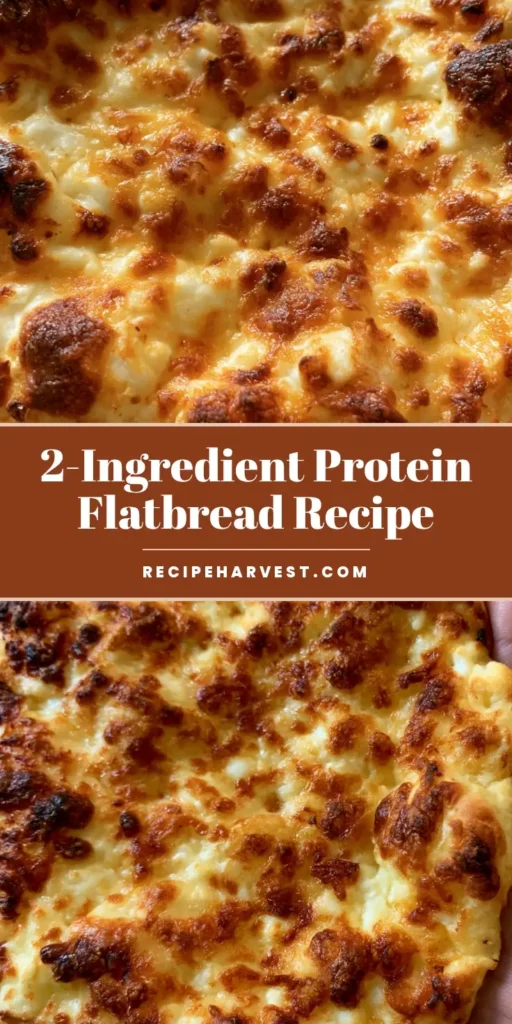
The beauty of this Cottage Cheese Flatbread lies in its simplicity and the rustic, homemade appearance. You’ll notice visible white specks of melted cottage cheese throughout the dough, creating little pockets of moisture and flavor. When cooked over high heat, the surface develops those signature golden-brown charred bubbles that make every bite a sensory delight. It’s the perfect base for your favorite toppings or served alongside a High-Protein Chicken Street Corn Salad.

Why This High-Protein Flatbread is a Total Game Changer
- Golden-Brown Perfection: The sugars in the dairy caramelize beautifully, creating charred bubbles and a rustic finish.
- Soft and Pliable Texture: Unlike some gluten-free or high-protein breads that turn into bricks, this dough stays flexible and chewy.
- Protein-Packed Power: By using cottage cheese as the base, you are adding significant protein to every single serving.
- Visible Cheese Curds: The melted specks of cottage cheese provide a unique, artisanal look and a boost of moisture.
- Incredible Versatility: It works as a wrap, a pizza crust, or a simple side to dip into a Cowboy Butter Recipe.
The Simple Ingredients Behind the Perfect Dough
To achieve the specific texture and “Visual Recipe Blueprint” of this Cottage Cheese Flatbread, every ingredient serves a scientific purpose. We aren’t just mixing things together; we are building a structural foundation for a rustic, charred masterpiece.
Full-Fat Cottage Cheese: 1 cup (225g). The fat content is crucial for a tender crumb. Those “white specks” mentioned in our blueprint come from the curds that don’t fully incorporate, providing moisture bursts in the finished bread.
All-Purpose Flour: 1 ½ cups (190g). This provides the gluten structure necessary for that soft, pliable, and slightly chewy texture. You can substitute with bread flour for even more “pull.”
Baking Powder: 1 ½ teaspoons (7g). This is our leavening agent. It reacts with the lactic acid in the cottage cheese to create those beautiful, airy charred bubbles on the surface.
Fine Sea Salt: ½ teaspoon (3g). Never skip salt! It tightens the gluten network and enhances the subtle tang of the dairy.
Olive Oil: 1 tablespoon (15ml). Used primarily for the skillet. It facilitates the “blistered” look and ensures the flatbread doesn’t stick while developing a golden-brown crust.
How to Master the Cottage Cheese Flatbread Method
Step 1: Preparing the High-Protein Dough
In a large mixing bowl, combine your 1 cup (225g) of cottage cheese with the 1 ½ cups (190g) of flour, baking powder, and salt. Use a sturdy spatula to fold the ingredients together. You aren’t looking for a perfectly smooth dough yet; you want a shaggy mass where the white specks of cottage cheese are still visible. This ensures the rustic appearance we are aiming for.
Step 2: The Gentle Knead
Turn the dough onto a lightly floured surface. Knead for only 2-3 minutes. Over-kneading will make the flatbread tough. You want the dough to be soft and pliable. If it feels too sticky to handle, add an extra tablespoon (8g) of flour at a time. The dough should feel like a soft stress ball—elastic but gentle.

Step 3: Portions and Shaping
Divide the dough into 4 equal pieces. Roll each piece into a ball. Using a rolling pin (or the palm of your hand for a more rustic, irregular edge), flatten each ball into a round disc about ¼ inch (6mm) thick. Don’t worry about perfect circles; the charm of this Cottage Cheese Flatbread is its homemade, irregular shape.
Step 4: Achieving the Charred Bubbles
Heat a cast-iron skillet or heavy-bottomed pan over medium-high heat. Add a light coating of olive oil. Once the pan is shimmering, lay one flatbread down. Visual Cue: Within 30-45 seconds, you should see the dough begin to puff up and form bubbles. This is the baking powder reacting with the heat.
Step 5: The Final Sear
Flip the flatbread after about 2 minutes, or once the bottom has deep golden-brown charred spots. Cook the second side for another 1-2 minutes. The result should be a handheld, round flatbread with a slightly charred surface and visible specks of melted cheese throughout. Repeat with the remaining dough circles.
Expert Tips for the Best Rustic Flatbread
- Don’t Drain the Cottage Cheese: The liquid (whey) in the container is part of the hydration for the dough. If you drain it, your bread will be dry and crumbly.
- High Heat is Key: To get those “charred bubbles” from the blueprint, your pan must be hot. If the heat is too low, the bread will dry out before it browns.
- Room Temperature Matters: If your cottage cheese is ice-cold, the dough might take longer to come together. Let it sit on the counter for 10 minutes if possible.
- Rest the Dough: If the dough keeps shrinking back when you try to roll it out, cover it with a towel and let it rest for 10 minutes. This relaxes the gluten.
- Flavor Infusions: While this recipe is for a plain, rustic flatbread, you can brush the finished product with Cowboy Butter Ranch for an explosion of flavor.
Storage, Reheating, and Freezing Instructions
Storage: Keep your leftover Cottage Cheese Flatbread in an airtight bag at room temperature for up to 2 days, or in the refrigerator for up to 5 days. Because of the high protein and moisture content, refrigeration is recommended for longevity.
Reheating: To maintain the “soft and pliable” texture, avoid the microwave if possible. Instead, reheat in a dry skillet over medium heat for 1 minute per side. This restores the slight exterior crunch and charred aroma.
Freezing: This flatbread freezes beautifully. Place parchment paper between each round to prevent sticking and store in a freezer-safe bag for up to 3 months. Thaw at room temperature before reheating.
What to Serve With Cottage Cheese Flatbread
This bread is incredibly versatile and serves as a high-protein vehicle for almost any meal. It is sturdy enough to hold heavy toppings but soft enough to wrap around grilled meats. We recommend pairing it with a Mexican Street Corn Chicken Salad for a fusion lunch that hits all the macros.
If you prefer a Mediterranean vibe, serve it alongside a Grilled Shrimp Bowl. The charred bubbles of the flatbread perfectly complement the smoky flavor of grilled seafood. It also makes an excellent “scooper” for thick stews or dips.
Frequently Asked Questions
Yes, you can substitute the all-purpose flour with a 1:1 gluten-free flour blend. Note that the flatbread may be slightly less pliable without the gluten structure.
You can, but full-fat cottage cheese provides a more tender and pliable result. Low-fat versions may result in a slightly chewier or tougher bread.
No, it has a very mild, slightly tangy flavor similar to sourdough or Greek yogurt bread. The cottage cheese primarily adds moisture and protein.
The white specks come from not over-mixing or blending the cottage cheese. By stirring it in manually, the curds remain intact and melt into the dough during cooking.
This usually happens if the skillet isn’t hot enough or if the baking powder is expired. Ensure the pan is at a medium-high heat before adding the dough.
The Ultimate Cottage Cheese Flatbread Recipe

Cottage Cheese Flatbread: The Ultimate High-Protein Rustic Dough
Ingredients
Equipment
Method
- In a large bowl, stir together cottage cheese, flour, baking powder, and salt until a shaggy dough forms.
- Turn dough onto a floured surface and knead for 2-3 minutes until soft and pliable with visible cheese specks.
- Divide into 4 balls and roll into round discs about 1/4 inch thick.
- Heat oil in a skillet over medium-high. Cook flatbread for 2 minutes until bubbles form and surface is charred. Flip and cook for 1-2 more minutes.
Notes
Use full-fat cottage cheese for a softer, more pliable texture.
Join the RecipeHarvest Community!
We want to see your rustic creations! Did your Cottage Cheese Flatbread get those perfect charred bubbles? Take a handheld smartphone photo just like ours and share it in the comments below. Seeing your results helps other home cooks find success!
Don’t forget to save this recipe to your “Healthy Baking” or “High-Protein Meals” board on Pinterest so you never lose it. If you loved this recipe, please leave us a 5-star rating in the recipe card above. Follow RecipeHarvest for more daily culinary inspiration!