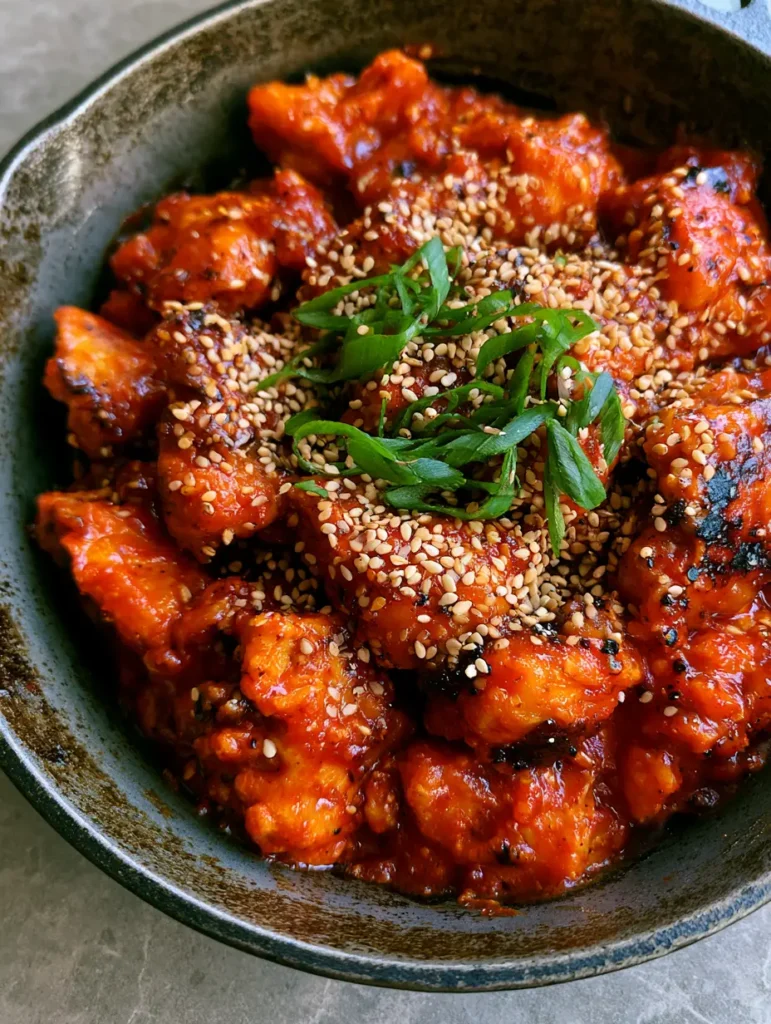
If you are looking for a dinner that delivers a massive punch of flavor with minimal effort, this Korean Gochujang Chicken is exactly what your weekly rotation needs. There is something truly addictive about the combination of fermented chili paste, savory garlic, and the deep, caramelized crust of perfectly seared chicken thighs. This dish isn’t just about heat; it is about the balance of sweet, salty, and umami that defines the best of Korean-inspired home cooking.
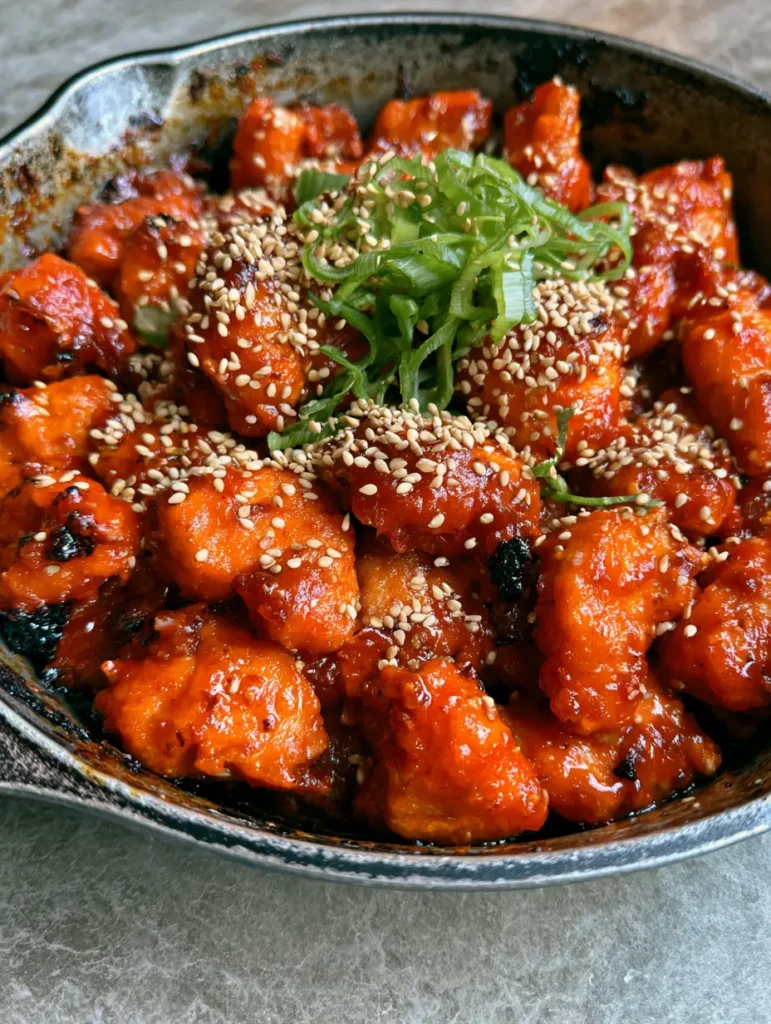
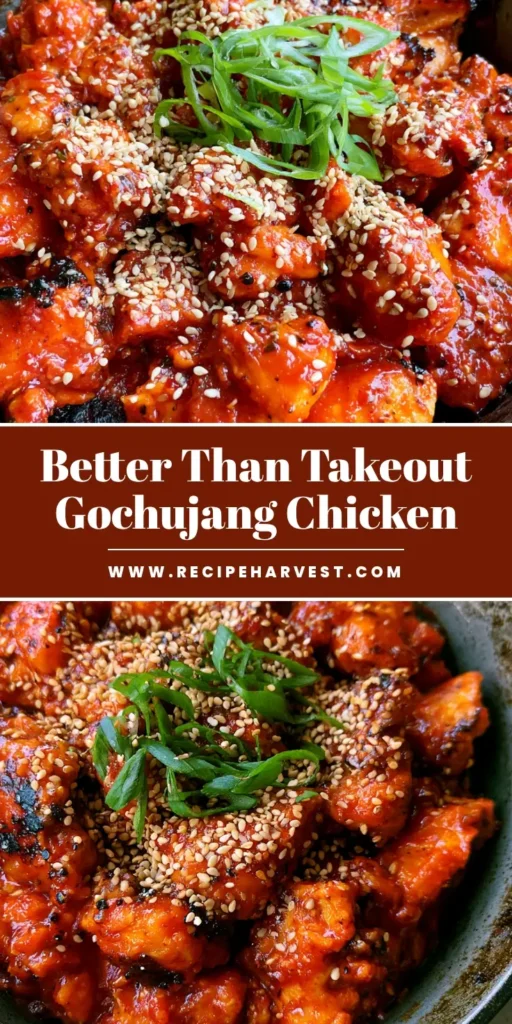
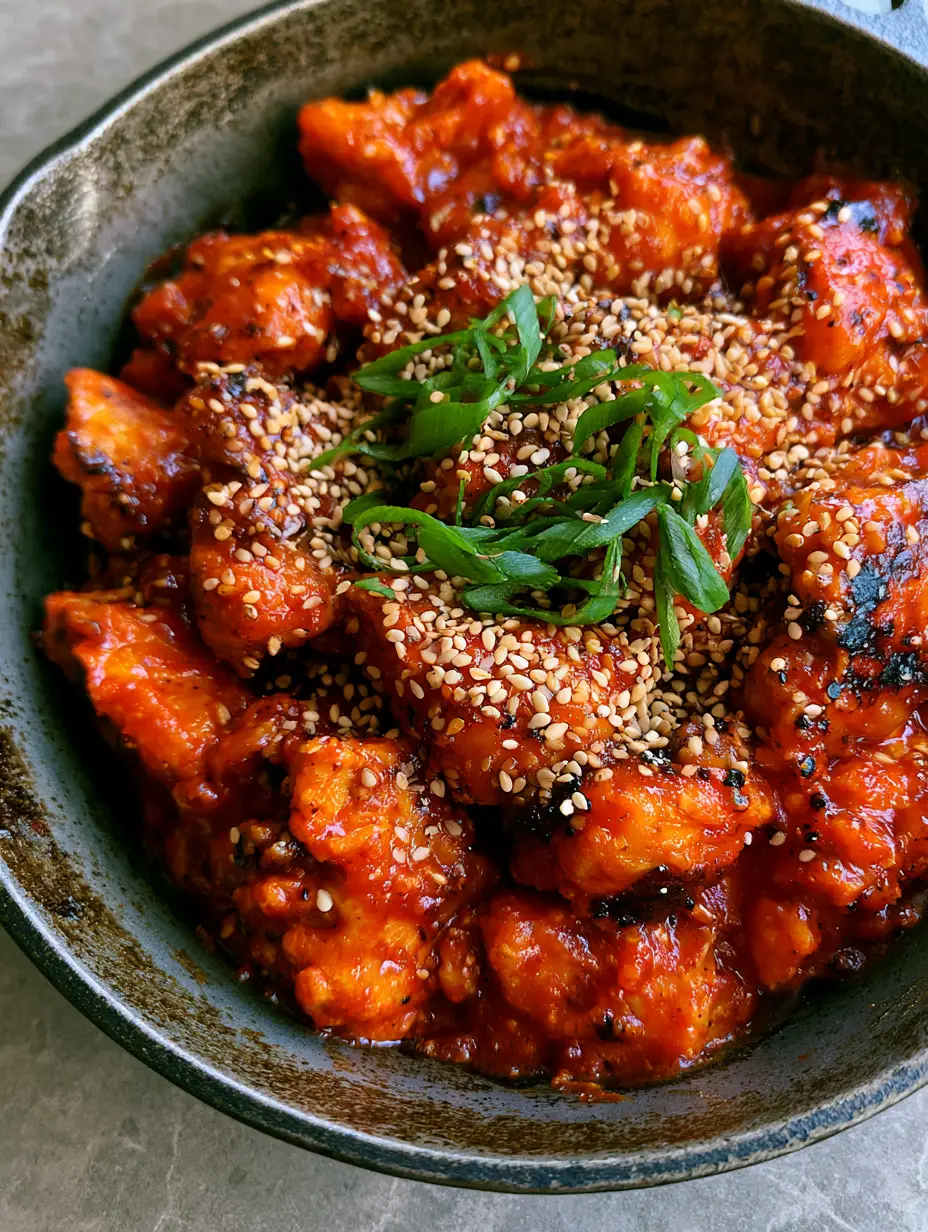
The vibrant red-orange glaze of this Korean Gochujang Chicken catches the light beautifully, making it a favorite for those who love to share their culinary creations on Pinterest. When you bite into a piece, you get that initial crunch from the charred edges, followed by the succulent, juicy meat and a sticky sauce that clings to every crevice. It is the kind of meal that makes you want to lick the pan clean.
Why This Sticky Gochujang Chicken Recipe Works
- Visual Texture: The thick, glossy gochujang sauce creates a high-shine finish that looks professional and tastes even better.
- The Perfect Sear: By using bite-sized chicken pieces, we maximize the surface area for caramelized sauce bubbles and charred edges.
- Balanced Heat: The fermented depth of gochujang is balanced with sweetness, ensuring it is flavorful rather than just overwhelmingly spicy.
- Pinterest-Ready Garnish: A heavy dusting of toasted white sesame seeds and bright green scallions provides the perfect color contrast.
Creating a restaurant-quality dish at home often comes down to the quality of your sear and the viscosity of your sauce. This recipe focuses on both. Much like my Korean steak sandwich, the key is in the marinade and the high-heat execution.
Essential Ingredients for the Perfect Spicy Glaze
To achieve that signature Korean Gochujang Chicken flavor profile, you need a specific set of pantry staples. Each ingredient plays a vital role in the final texture and taste of the dish.
Boneless Skinless Chicken Thighs: 1.5 lbs (680g). Thighs are essential here because they remain juicy even when subjected to the high heat needed to char the sauce. If you prefer white meat, you can use breasts, but be careful not to overcook them.
Gochujang (Korean Chili Paste): 3 tbsp (45ml). This is the heart of the dish. It provides a thick body, a deep red color, and a complex, fermented heat that cannot be replicated by Sriracha or standard chili flakes.
Soy Sauce: 2 tbsp (30ml). This adds the necessary salt and deepens the umami profile, helping the chicken achieve that dark, savory color during the searing process.
Honey or Brown Sugar: 2 tbsp (30ml). This is the secret to those caramelized sauce bubbles. The sugar reacts with the heat to create the sticky, glossy glaze that Pinterest users love.
Sesame Oil: 1 tbsp (15ml). A little goes a long way in providing a toasted, nutty aroma that rounds out the sharp edges of the chili paste.
Fresh Garlic and Ginger: 1 tbsp each, minced. Fresh aromatics are non-negotiable. They cut through the richness of the glaze and provide a bright, zesty finish.
Rice Vinegar: 1 tbsp (15ml). This provides the necessary acidity to balance the sweetness of the honey and the weight of the gochujang.
Mastering the Pan-Sear: Step-by-Step Instructions
The secret to the best Korean Gochujang Chicken is all in the pan-searing technique. We want to avoid “stewing” the meat; we want a hard sear that creates those iconic charred edges.
Step 1: Prepping the Chicken for Maximum Flavor
Pat your chicken thighs dry with paper towels before cutting them into 1-inch (2.5cm) bite-sized pieces. Removing excess moisture is the only way to ensure the meat sears rather than steams. Toss the pieces with a pinch of salt and black pepper.
Step 2: Whisking the Signature Gochujang Glaze
In a medium bowl, whisk together the gochujang, soy sauce, honey, rice vinegar, sesame oil, minced garlic, and ginger. The mixture should be thick, vibrant, and incredibly aromatic. If you find the paste too thick to whisk, add a teaspoon of water to loosen it up.
Step 3: The High-Heat Sear
Heat 2 tablespoons (30ml) of neutral oil in a large cast-iron skillet over medium-high heat. Once the oil is shimmering and just starting to smoke, add the chicken in a single layer. Do not overcrowd the pan; if your skillet is small, work in two batches. Let the chicken sit undisturbed for 3-4 minutes until charred chicken edges begin to form.
Step 4: Creating the Caramelized Bubbles
Flip the chicken and cook for another 2 minutes. Pour the gochujang glaze over the chicken. As the sauce hits the hot skillet, it should immediately begin to bubble and hiss. This is where the magic happens. Use a spatula to toss the chicken, ensuring every piece is heavily coated in a thick, vibrant red-orange gochujang glaze.
Step 5: Reducing to a Sticky Finish
Continue cooking for 2-3 minutes, stirring constantly. You are looking for the sauce to reduce until it is glossy and sticky, clinging tightly to the meat. The sugars will start to caramelize further, deepening the red color to a rich, dark crimson. Remove from heat immediately once the sauce reaches the desired viscosity.
Expert Tips for Success
- Use Cast Iron: A seasoned cast iron skillet retains heat better than non-stick, which is crucial for getting those charred chicken edges.
- Don’t Over-Stir: Let the chicken stay in contact with the pan. Constant stirring prevents the Maillard reaction, which is where all the flavor lives.
- Toast Your Seeds: For the best visual impact, use toasted white sesame seeds. They provide a nutty crunch and pop against the dark red sauce.
- Fresh Scallions: Cut your green onions on a sharp bias (diagonal). This makes them look “chefy” and adds a fresh, crisp bite to balance the heat.
This method of high-heat searing followed by a glaze reduction is a technique you can apply to many other proteins, much like the process for my creamy garlic chicken thighs.
Storage, Reheating & Freezing
Storage: Place leftovers in an airtight container and refrigerate for up to 4 days. The flavors actually deepen overnight, making this an incredible meal-prep option.
Reheating: For the best results, reheat in a skillet over medium heat with a splash of water to loosen the glaze. Avoid the microwave if possible, as it can make the chicken rubbery.
Freezing: You can freeze the cooked chicken for up to 2 months. Thaw completely in the refrigerator before reheating. Note that the scallions will lose their crunch, so add fresh ones after reheating.
What to Serve With This Dish
This Korean Gochujang Chicken is incredibly versatile. It is traditionally served over a bed of fluffy steamed white rice to soak up all that extra glaze. For a lower-carb option, try cauliflower rice or even large lettuce cups for a “ssam” style wrap.
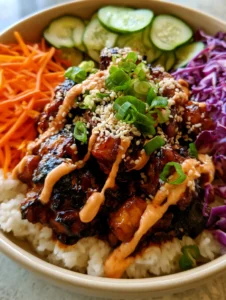
If you are looking for a complete feast, consider pairing it with a simple cucumber salad (oi muchim) or a side of kimchi. It also works beautifully in a bowl format, similar to a jerk chicken bowl, where you can add various pickled vegetables and grains.
Frequently Asked Questions
To make it gluten-free, use Tamari instead of soy sauce and ensure your Gochujang brand is certified gluten-free (some contain barley).
Yes, but be careful not to overcook them. Thighs are recommended because they stay juicy during the high-heat searing required for this recipe.
The gloss comes from the honey or sugar caramelizing at high heat. Make sure your skillet is hot and let the sauce bubble until it reduces.
Gochujang has a moderate heat, but this recipe balances it with honey and soy sauce. It is more flavorful and ‘zippy’ than painfully hot.
There is no exact substitute for the fermented depth of Gochujang, but a mix of Sriracha and miso paste can work in a pinch.
The Final Recipe: Sticky Korean Gochujang Chicken
Ready to bring the heat to your kitchen? This recipe is designed to be fast, flavorful, and visually stunning. Follow the measurements below for the perfect sticky finish every single time.
Korean Gochujang Chicken: The Ultimate Sticky, Spicy, and Charred Recipe
Ingredients
Equipment
Method
- Pat the chicken thighs dry and cut into 1-inch bite-sized pieces.
- Whisk gochujang, soy sauce, honey, vinegar, sesame oil, garlic, and ginger in a bowl until smooth.
- Heat oil in a cast iron skillet over medium-high heat. Sear chicken in a single layer until edges are charred (3-4 mins).
- Pour the sauce over the chicken. Toss and cook for 2-3 minutes until sauce is thick, glossy, and bubbling.
- Top with plenty of toasted sesame seeds and fresh scallions before serving.
Notes
Save This Recipe to Pinterest!
Did you love this Korean Gochujang Chicken? If so, please save it to your favorite Pinterest board so you can find it later! Sharing this recipe helps others discover the joy of spicy, sticky Korean flavors at home.
I would love to see how your dish turned out! Upload a photo of your skillet in the comments below, and don’t forget to give this recipe a 5-star rating if you enjoyed it. Following @RecipeHarvest on Pinterest ensures you never miss a new weeknight dinner inspiration!